Vietnam country hub
Vietnam rewards a slower route than the map suggests.
Vietnam looks simple on paper: start in the north or south and move in one long line. The problem is not the route. It is trying to squeeze too much into it.
My short version: if you have two weeks, choose north plus central Vietnam or central plus south. If you have a month, the full north-to-south route starts to breathe.
Who Vietnam is good for
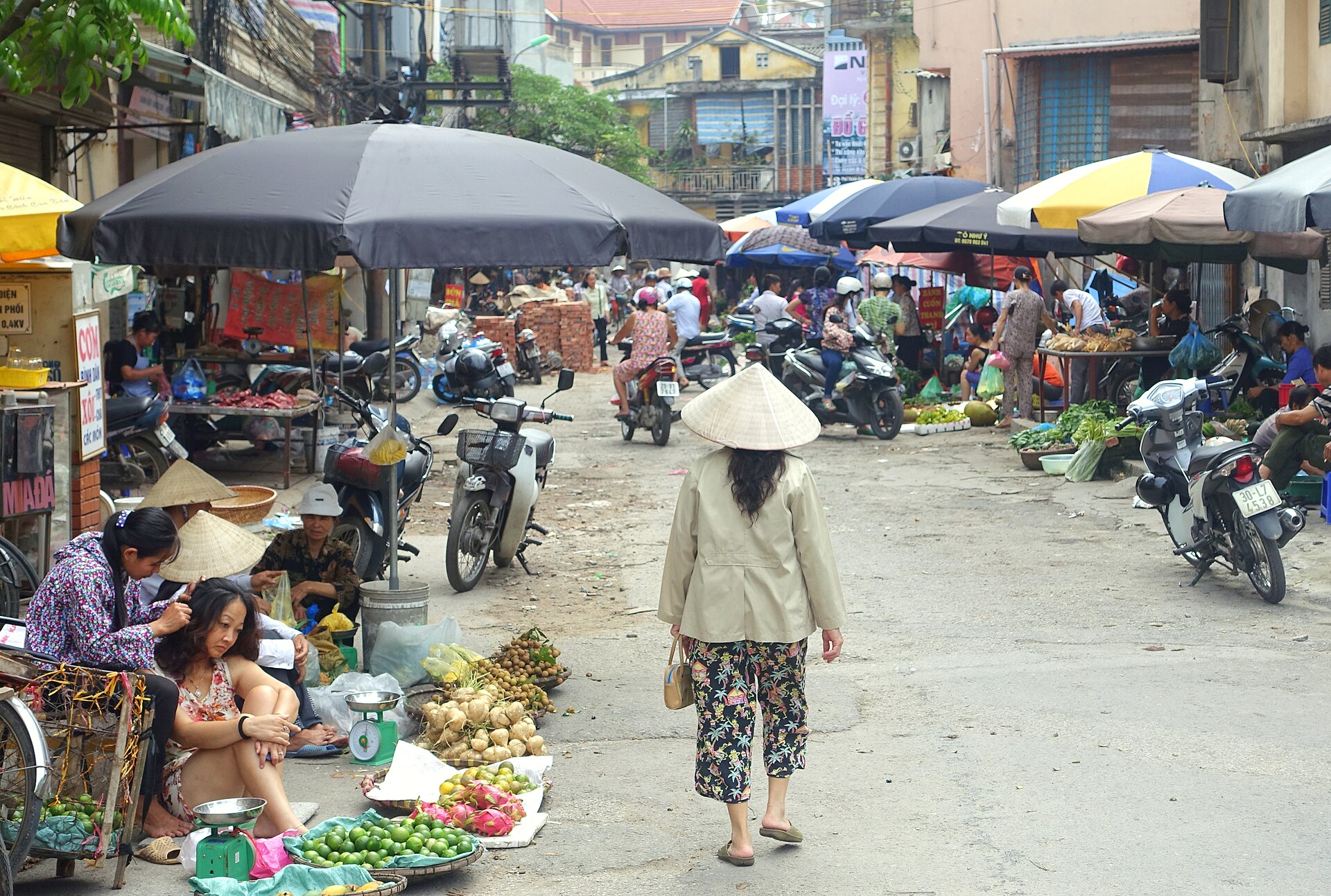
Vietnam is a strong first or second Southeast Asia country if you like street food, long train or bus journeys, busy cities, cheap guesthouses and routes with a clear direction. It is less gentle than Thailand in the first few days. The traffic feels louder, the bargaining can be tiring and the best parts are not always the easiest parts.
I would not choose Vietnam for a trip where you want beaches and nothing else. The coast has good stops, but the country makes more sense when you mix cities, mountains, old towns, food and slow travel days.
How long to spend
- 10 to 14 days: pick one section. Hanoi, Ninh Binh, Ha Long or Cat Ba, then maybe Hue or Hoi An is already plenty.
- 3 weeks: you can travel north to central Vietnam without feeling like every stop is a transfer day.
- 4 weeks or more: this is when a full Hanoi to Ho Chi Minh City route, or the reverse, becomes realistic.
The biggest mistake is adding every famous stop because the country is shaped like a route. Overnight transport helps, but it also makes people overconfident. A sleeper bus still costs energy.
A simple route shape
Most first trips use one of these shapes:
- North focus: Hanoi, Ninh Binh, Cat Ba or Ha Long, then a mountain stop if the season makes sense.
- North to central: Hanoi, Ninh Binh, Phong Nha, Hue, Da Nang or Hoi An.
- Full country route: Hanoi to Ho Chi Minh City with central Vietnam in the middle and a few cuts along the way.
If I had to cut something, I would cut distance before cutting rest days. A smaller Vietnam trip is not a failed Vietnam trip. It is usually a better one.
Budget notes
Vietnam can still be very affordable for backpackers, but the cheapness is uneven. Dorm beds and simple food can keep costs low. Tours, caves, boat trips, internal flights, coffee stops and too many one-night stays push the budget up faster than people expect.
Cash still matters. Keep smaller notes for food, buses, markets and taxis. Check ATM fees before you rely on one card, and carry a backup card somewhere separate from your day wallet.
Transport basics
The train is slower than flying and often more comfortable than trying to turn every long hop into a bus. Sleeper buses are useful, but not all routes or seats feel equal. I would rather plan one fewer stop than stack three hard travel days in a row.
Motorbikes are part of the Vietnam travel fantasy, especially in the north. They are also where a lot of bad decisions happen. If you ride, make sure your licence and insurance actually cover you. If you do not ride at home, Vietnam is not the place to pretend you suddenly became relaxed in traffic.
Food and slower days
Vietnam is one of the easiest countries in Southeast Asia to plan around food without turning the trip into a checklist. The useful habit is to slow down in the morning. Sit for coffee. Watch where people eat before work. Let one market or noodle shop become part of the day instead of treating food as fuel between sights.
A cooking class can make sense in Hoi An or another food-heavy stop, but it should not replace normal eating. The better memory is often the ordinary meal you found because you stopped walking.
Scams, pressure and small frictions
Vietnam is not a dangerous country for most backpackers, but small frictions can wear you down: taxi confusion, unclear prices, pushy tours, bad exchange rates and transport claims that sound too easy. Ask the price first. Screenshot addresses. Keep your hotel name in Vietnamese if you can. When something feels rushed, step away for a minute.
What I would slow down
- Hanoi at the start, especially if it is your first big Southeast Asian city.
- Ninh Binh, because it works better with weather gaps and early mornings.
- Central Vietnam, instead of treating Hue, Da Nang and Hoi An as one quick stop.
What I would not overplan
I would not book the whole country before landing. Book your first nights, understand the broad direction and check visa rules on the official source before you commit to dates. Then leave enough space to stay longer when the route starts making sense.
The first week is where that space matters most. Hanoi, Ho Chi Minh City and Da Nang each create a different first rhythm, so treat the first base as part of the route decision, not just the place your flight happened to land. Keep the first night simple, save the accommodation address offline, sort phone data and cash, and avoid a same-day long transfer unless there is a strong reason for it.
A steadier first week might be arrival, sleep, one orientation day, one local anchor experience, one flexible day for weather or admin, and then the next move. That flexible day is not wasted. In Vietnam it can be the difference between a route that adjusts and a route that starts chasing itself.
Source and experience note
This hub is a practical starting point. Visa rules, transport schedules and prices change, so check the current details before you commit to dates, tickets or border crossings.
Next useful pages
- Vietnam visa and entry notes, maintained separately because rules change.
- Where to go in Vietnam, a practical comparison for choosing stops at a realistic pace.
- Hanoi as a first northern Vietnam base if you are deciding how long to give the northern anchor and where it sends you next.
- Hue as a central Vietnam route stop if you are deciding whether Hue deserves its own pause between Phong Nha, Da Nang and Hoi An.
- Vietnam route ideas for 2, 3 and 4 weeks.
- Vietnam packing notes for north, central and south weather.
- Vietnam transport basics for choosing trains, sleeper buses and flights without pretending travel days are free.