Hanoi destination guide
Hanoi is the northern anchor, not just the place your flight landed.
Hanoi is where most northern Vietnam routes start, but it is also where a lot of travellers make their first bad pace decision: arriving, surviving one chaotic evening and leaving before the city has done its job.
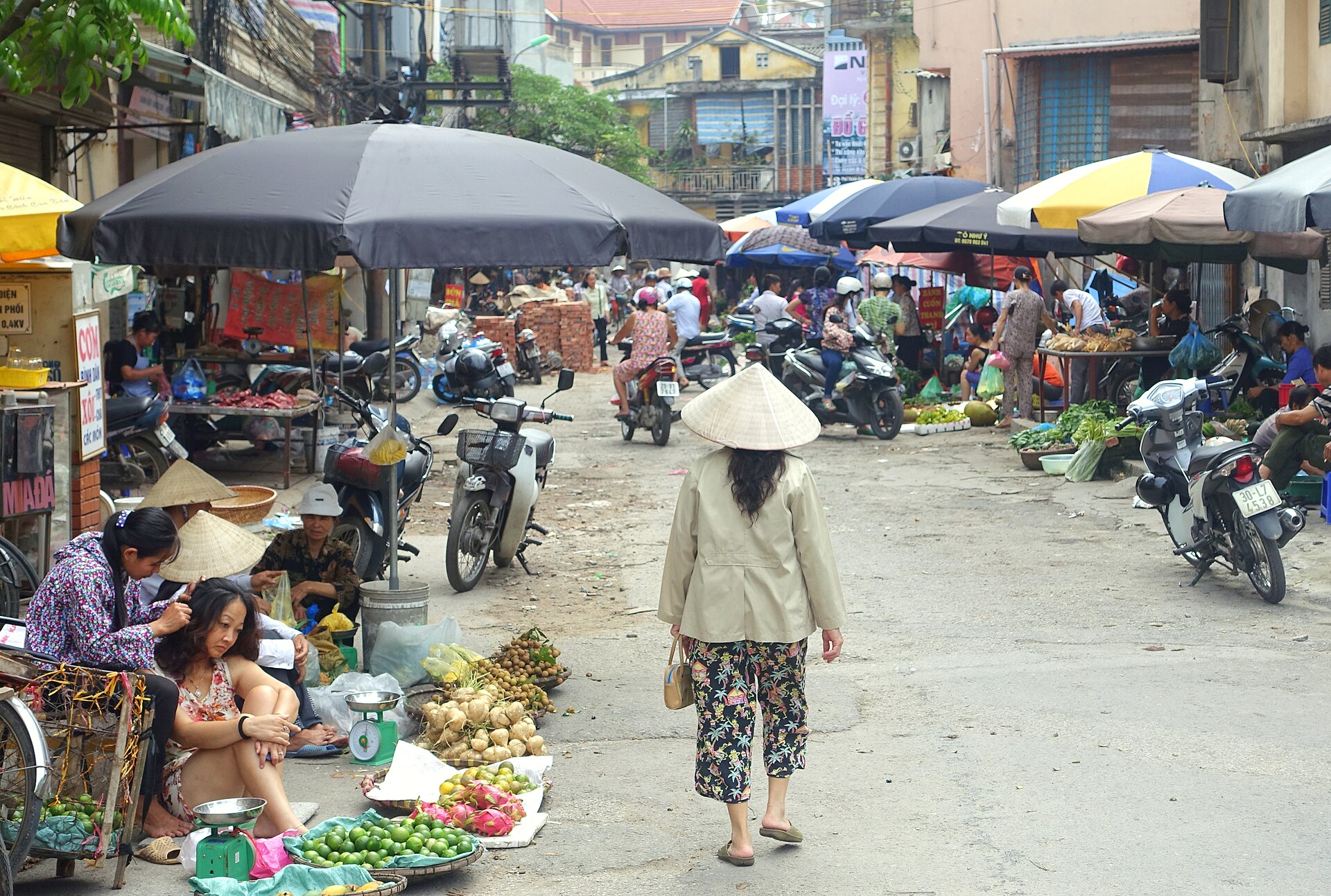
My short version: give Hanoi two or three nights at the start. Use it to sleep, eat, sort the basics and understand how northern Vietnam works before you commit to the next move. Do not treat it as a transfer corridor.
Quick orientation
Make the first Hanoi decisions boring on purpose.
Route role
Northern anchor, arrival city, food base and decision point for Ninh Binh, Cat Ba, Ha Long Bay, Sa Pa or Ha Giang.
Usual stay
Two or three nights is the clean default. One night means you barely saw the city before leaving.
Best fit
Travellers starting a northern or north-to-central Vietnam route who need a practical first base with food, coffee and transport access.
When to shorten it
Very short trips where the north is only two stops, or travellers who already know the first goal is a specific mountain or coast plan.
What to protect
One slow morning with coffee and street food, one walk through the Old Quarter without a checklist, and enough time to sort the basics.
What Hanoi is for
Hanoi is not only a capital city or a list of temples and lakes. For a first Vietnam route, it is the easiest place to land in the north, recover from the flight, understand how the country moves and make the next decision with a clearer head.
The Old Quarter is dense, noisy and full of motorbikes. That can be a shock on the first evening. It is also where Vietnam starts to make sense: the coffee culture, the food stalls, the small streets, the way people eat breakfast before work. Give it a day and the noise becomes rhythm.
Hanoi is also the decision point for most northern routes. Ninh Binh, Cat Ba, Ha Long Bay, Sa Pa and Ha Giang all start from here. Choosing when to leave Hanoi is really choosing which northern direction to take.
Who Hanoi fits
Hanoi fits travellers who want a practical northern base: good food, strong coffee, cheap guesthouses, street life, transport connections and enough to do without needing a checklist. It also fits people who arrive tired and need the first day to be simple rather than impressive.
It is especially useful if Vietnam is your first Southeast Asia country and the north is the start. A calm Hanoi start gives you a place to learn basic rhythms: crossing the street, ordering food, handling cash, understanding Grab and how long ordinary tasks take when everything is new.
Who should shorten it
Shorten Hanoi if your trip is very short and the north only has room for Hanoi plus one or two stops, or if you already have a clear first destination and do not need a city buffer. Even then, I would be careful with a same-day long transfer after an international arrival.
Do not stay longer just because a guide says Hanoi has endless things to see. Stay because the days are helping the route. If the city is only making you hot, tired and impatient, move on cleanly after the basics are sorted.
How many nights I would give it
For most first-time backpackers, I would start with two or three nights. One night often means landing, sleeping badly, repacking and leaving before you have understood anything. Two nights gives you one full day to eat nearby, walk the Old Quarter, sort phone/cash/transport and check whether the next move still makes sense.
Three nights adds a second food-focused day, a morning at a market or a lake walk, or simply a day with no plan. This is especially useful if the arrival was late or tiring. Four or more nights only make sense if you have a real reason: using Hanoi as a multi-day base for day trips, remote work, or deliberate rest before a mountain loop.
The first 24 to 48 hours
Keep the first stretch small. Reach the accommodation without turning the transfer into an adventure. Save the address offline in Vietnamese if possible. Make sure check-in still works if the flight is late. Eat somewhere close. Drink water. Sleep.
The next day can be simple: sort local connectivity, check cash and card options, learn one walking route around Hoan Kiem or the Old Quarter, eat pho or bun cha where local people are eating, and confirm the next major movement after you have rested. Hanoi becomes easier when the first day is allowed to be ordinary.
If you have a third day, use it for a market morning, a coffee stop that is not a chain, a walk around West Lake or the Ba Dinh area, or simply a day where you notice the city instead of ticking things off.
Choosing the first area
I would choose the first area by logistics before personality. The best first stay is not necessarily the coolest neighbourhood. It is the place that still works when you are tired.
- Old Quarter / Hoan Kiem: the default for most backpackers. Dense, walkable, full of food, close to the lake, easy to find guesthouses. Can be noisy at night.
- Ba Dinh / West Lake: quieter, more residential, useful if you want less chaos or are planning day trips north. Less backpacker infrastructure but more breathing room.
- Near the train station: practical if you have an early train south. Not the most pleasant area for a multi-night stay.
Look for clear check-in, recent reviews, food nearby, enough quiet to sleep and decent access to the next move. If the neighbourhood makes the first evening easier, it has done its job.
Where Hanoi fits in a Vietnam route
Hanoi works as:
- a northern anchor before Ninh Binh, Cat Ba, Ha Long Bay, Sa Pa or Ha Giang;
- a food and errands base for the first days of the trip;
- a decision point for choosing which northern direction to commit to;
- a return point after mountain loops or coastal trips before heading south.
What I would avoid is using Hanoi only as a transfer corridor. If you land, cross the city, sleep badly and leave for a bus, boat or train before you have recovered, the next place inherits the tiredness.
The common pattern for a first northern route: Hanoi, then Ninh Binh or Cat Ba/Ha Long, then either a mountain stop or a train south toward Hue. Hanoi makes that decision easier when you have had enough time to breathe.
Common mistake
The common mistake is treating Hanoi as a test: arrive, survive one chaotic evening, prove you can handle Vietnam, then rush to Ninh Binh or Ha Long. That can work on paper, but it often means the first real route decision happens from a tired state.
A better approach: give Hanoi enough time that the next move is chosen, not chased. Two or three nights is not wasted time. It is the foundation that makes the rest of the northern route calmer.
What not to overplan
Do not overplan the first Hanoi day with the Old Quarter, Ho Chi Minh Mausoleum, a water puppet show, a cooking class and a night market all stacked together. Pick one useful thing and one pleasant thing. Leave the rest flexible.
Also do not lock every onward bus or train before you know how you feel. A sleeper to Sapa, a minibus to Ninh Binh or a boat to Cat Ba may all be right. They are easier to choose after sleep, food and one calm look at the map.
Links that help
- Vietnam backpacking guide for the country-level route frame.
- Where to go in Vietnam for how Hanoi compares with Ninh Binh, Hue, Hoi An and southern stops.
- Vietnam routes by trip length for two, three and four week route shapes.
- Vietnam transport basics for choosing trains, sleeper buses and flights from Hanoi.
- Book the first two nights, not the whole trip for the broader arrival principle behind this page.
Source and experience note
This page is practical planning guidance, not a promise that every bus schedule, neighbourhood detail or food stall is current today. Check transport and accommodation details close to departure, especially if Hanoi sits between a long flight and an early onward move.