Chiang Mai destination guide
Give Chiang Mai enough room to feel like northern Thailand.
Chiang Mai works best with a few mornings, ordinary meals and enough space for the north to feel slower than the route that brought you there.
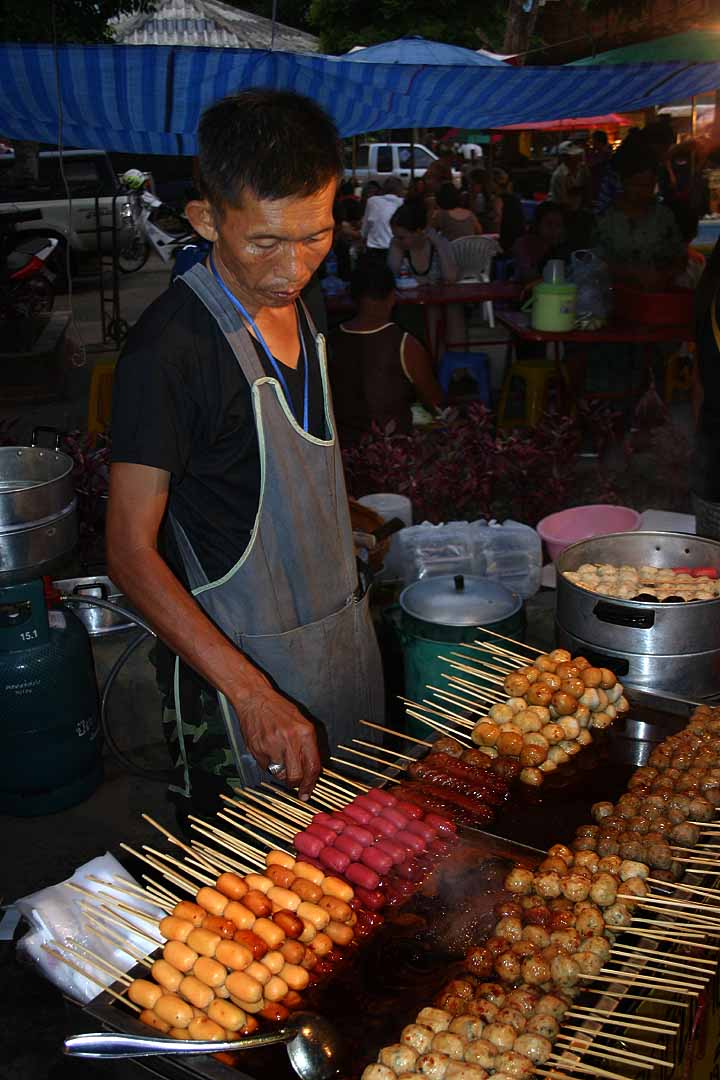
My short version: give Chiang Mai at least three nights if you want the north to slow the route down. Use it for food, markets, cooking, easier streets and a clearer decision about whether to go deeper into northern Thailand.
What Chiang Mai is for
Chiang Mai is the easiest northern Thailand base for a first trip. It gives you a softer landing after Bangkok, a clear place to slow down, and a practical starting point for cooking classes, markets, temples, day trips and wider northern decisions.
It is not just the place before Pai, Chiang Rai or a mountain loop. If you treat it only as a gateway, you may leave with a transfer memory instead of a northern Thailand memory.
Who it fits
Chiang Mai fits travellers who want Thailand to be more than beaches and Bangkok movement. It suits food-focused trips, first cooking classes, guesthouse routines, gentle wandering, temple mornings, markets and days where the best plan is not very complicated.
It also fits people who need the trip to calm down after a big-city arrival. Bangkok asks for attention. Chiang Mai usually gives some of it back.
Who should shorten it
Shorten Chiang Mai if your trip is mostly an island trip, if the season makes the north less appealing, or if you only have time for one northern night before another long move. One rushed day can still be pleasant, but it is rarely the reason to cross the country.
Skip it cleanly if adding Chiang Mai means turning both the north and the islands into fragments. Thailand does not become more complete because every famous region appears on the itinerary.
How many nights I would give it
For most first Thailand trips, I would give Chiang Mai three to five nights. Three nights gives one arrival evening, two usable days and enough time not to treat every meal as a scheduled event. Four or five nights lets you add a cooking class, slower markets or a day trip without making the city feel like a checklist.
Two nights can work as a quick northern taste, but it should be an intentional short stay, not the default because the map made everything look close.
The first 24 hours
Arrive, check in, eat close by and resist the urge to solve the entire north immediately. If you came by night train or flight from Bangkok, the first day is still partly a recovery day.
Use the first full day to walk a small area, understand the old city or your neighbourhood, choose one market or food plan, and decide whether Chiang Mai itself is the pause or the base for something wider. The north is easier to plan after you have slept in it once.
Choosing where to stay
Choose by what you want Chiang Mai to do. If it is your first visit and you want easy orientation, staying in or near the old city can make the first days simple. If you want cafes, longer stays or a more modern rhythm, another area may fit better. If you are only there briefly, do not make the accommodation choice so clever that every meal requires transport.
The useful test is boring: can you leave the room, eat well, walk safely and return easily when the day is hotter or wetter than expected?
Where Chiang Mai fits in a Thailand route
Chiang Mai works as:
- a northern base after Bangkok;
- a food and cooking-class stop early enough to change how you read Thai menus;
- a slower reset before islands or after a fast first week;
- a decision point for Pai, Chiang Rai, Sukhothai or Laos route logic.
What I would avoid is stacking Chiang Mai, Pai, Chiang Rai and a flight south into too few days. The north rewards rhythm more than collection.
Common mistake
The common mistake is giving Chiang Mai one packed day and then blaming it for feeling ordinary. A temple, a market, a cooking class and a bus booking can all be good separately. Jammed into one day, they become admin with nicer scenery.
Chiang Mai is not dramatic in the way islands or Bangkok can be dramatic. That is part of the point.
What not to overplan
Do not book every northern detour before you know whether you want more movement. Start with the base, then decide. Pai, Chiang Rai, Sukhothai and mountain routes can make sense, but they should earn their place against your time and energy.
Also do not turn cooking classes, ethical elephant questions, temple lists and cafes into a moral exam. Choose carefully, keep expectations grounded and leave space for ordinary good days.
Links that help
- Thailand backpacking guide for the country-level route frame.
- Where to go in Thailand for how Chiang Mai compares with Bangkok, islands and slower stops.
- Pai only when northern Thailand has enough slack for deciding whether the detour earns extra nights after Chiang Mai.
- Bangkok as a first landing base if you are deciding how quickly to move north after arrival.
Source and experience note
This page is practical route guidance, not a claim that every class, day trip, neighbourhood or transport option is current today. Check recent reviews and current transport before booking, especially in high season or during smoky-season concerns.